From Vision to State Park: A study of Rosenwald Schools will help determine the viability of a new historic trail.
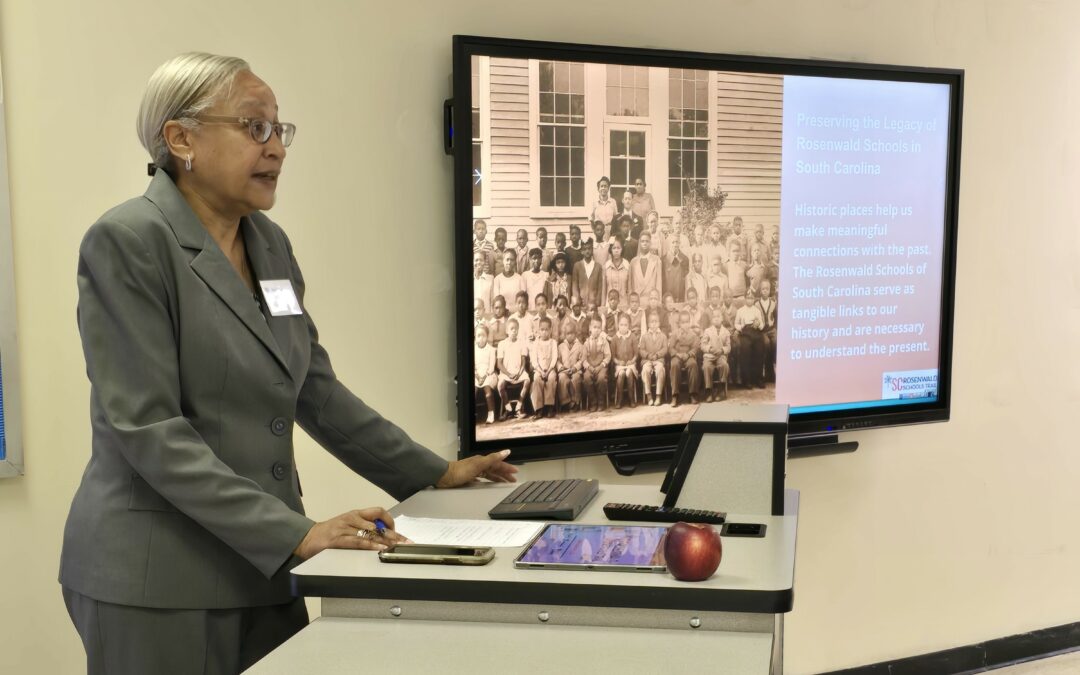
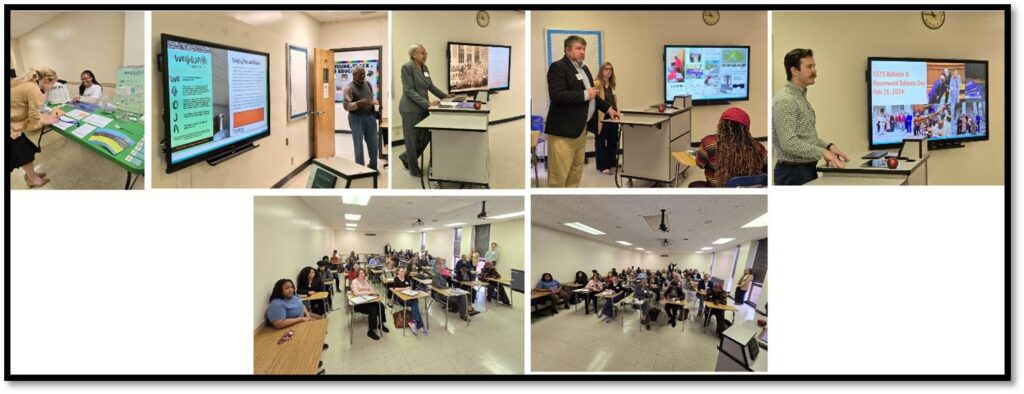
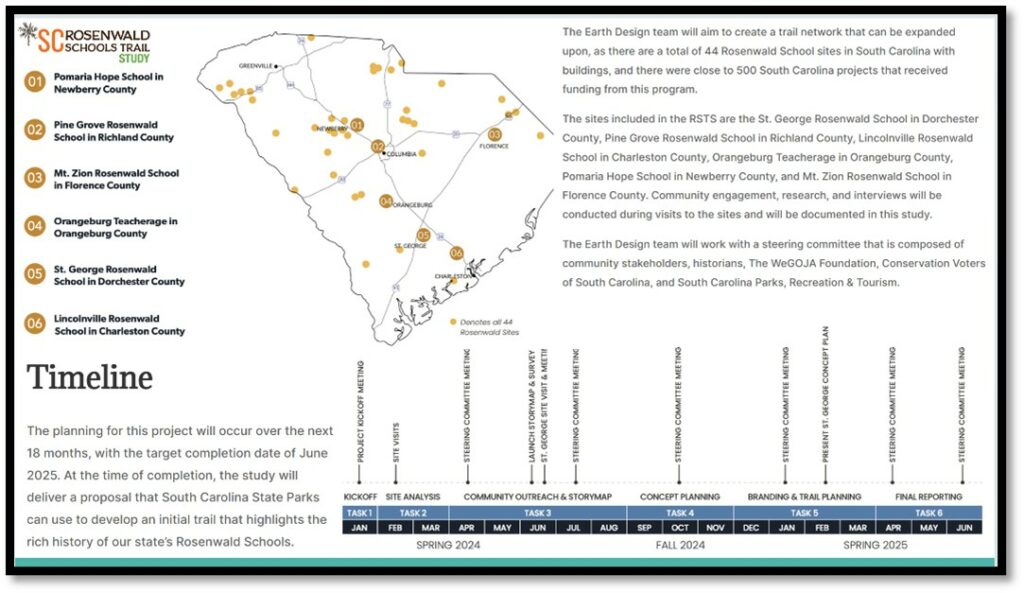
Speakers, Timika Wilson, Dr. Larry Watson, Dr. Valinda Littlefield, Tripp Muldrow, Holley Springs, and Zach Bjur presented the rich history of the Rosenwald Schools in South Carolina at the 2024 Landmark Conference at SC State University. These early-20th century schools were built to serve rural African American children. Booker T. Washington and Julius Rosenwald helped to ensure that the Black community could have a sustainable network of schools focused on community and education based on a cost shared model with funding from the Rosenwald Fund, the community, and the state. With over 500 schools built in SC, this network has regrettably been lost over time. At least 44 schools remain in some shape or form across SC. The Rosenwald Schools Trail Study seeks to determine whether a set of extant sites could become South Carolina’s first state park focused on African American and Jewish history. The study is a collaborative effort of the Conservation Voters of South Carolina, the WeGOJA Foundation, the South Carolina Department of Parks, Recreation & Tourism, the SC Department of Archives and History, and Rosenwald preservation organizations across the state. The study will focus on six sites: Great Branch Rosenwald School and Teacherage. Lincolnville, Hope School, St. George, Mt. Zion, and Pine Grove.
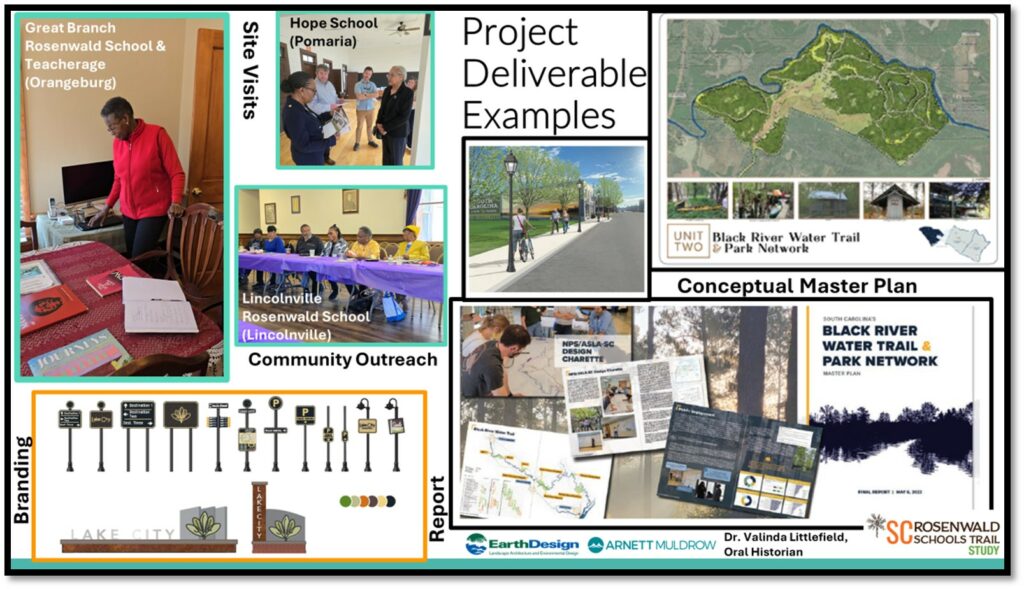
During the study, the Master Planners and Oral Historian will engage with alumni and community stakeholders to assess site integrity and build a descriptive narrative to design a plan that shares this important history with the public. This 18-month initiative will provide a report that any school and stakeholder could utilize to develop an interconnected trail both virtually and physically highlighting the success of the students and surrounding communities.
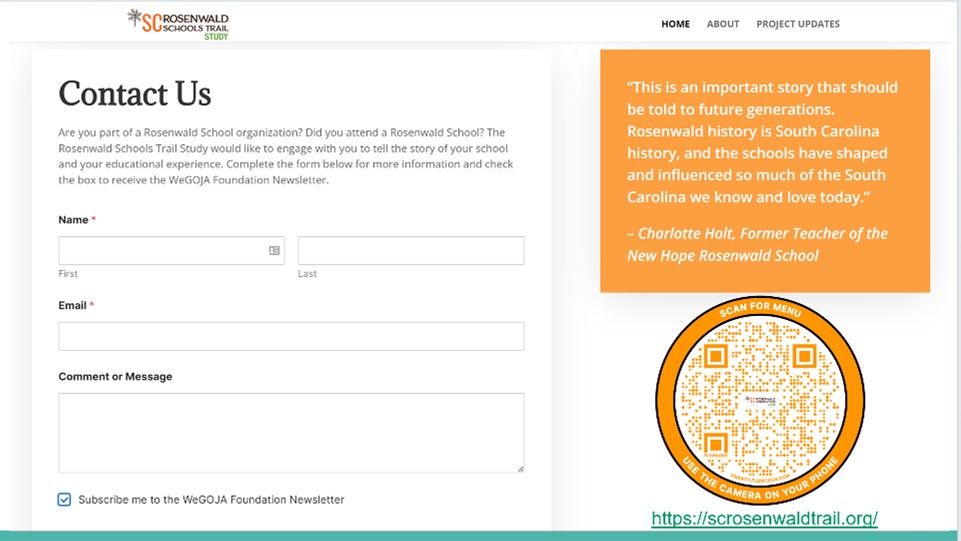
Key concerns from participants at the conference included: how other schools may be incorporated and included in a wider trail, what to do if you know a Rosenwald School isn’t depicted, but should be, and how best to assist in this important work. Join our community of volunteers, stakeholders, and advocates at our website for project updates and inquiries.
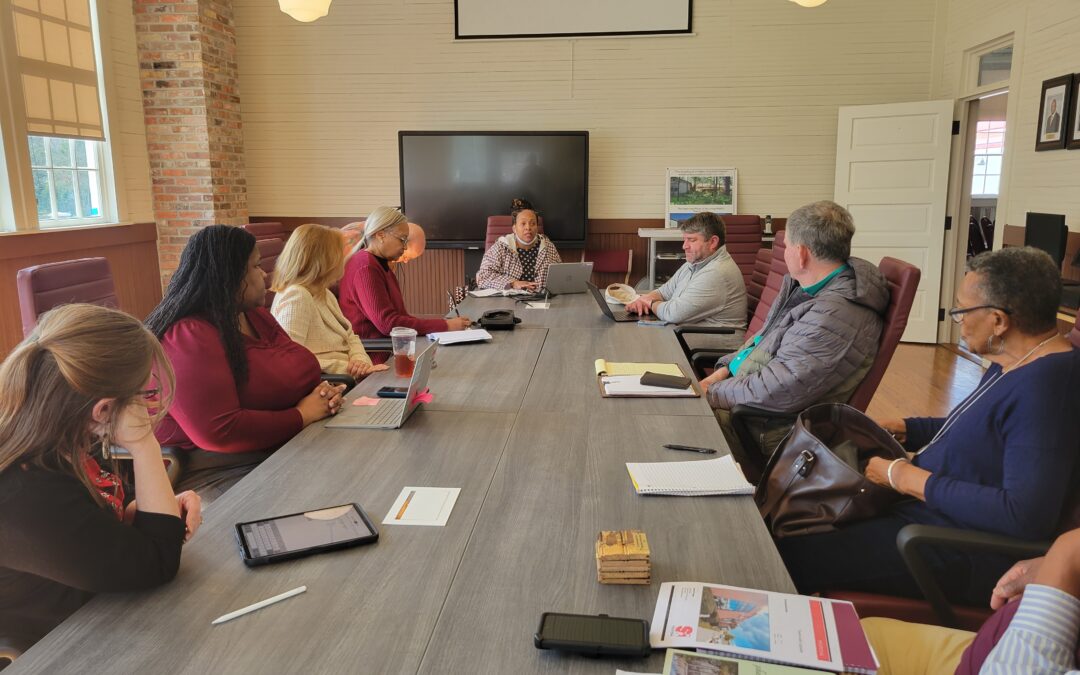
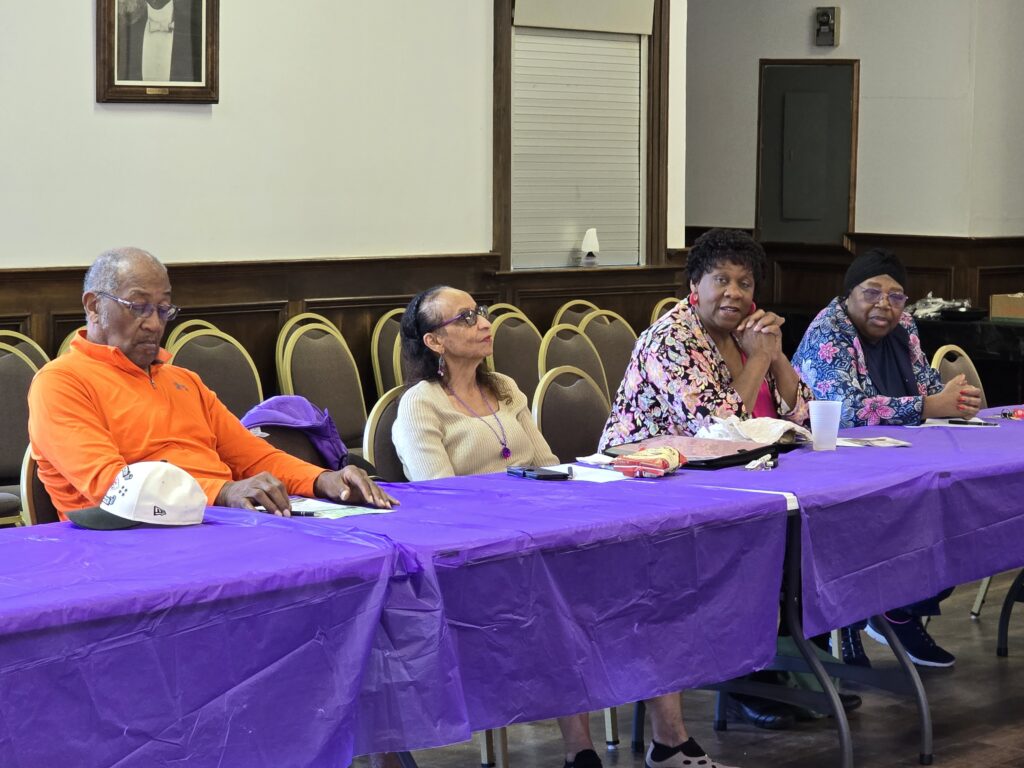
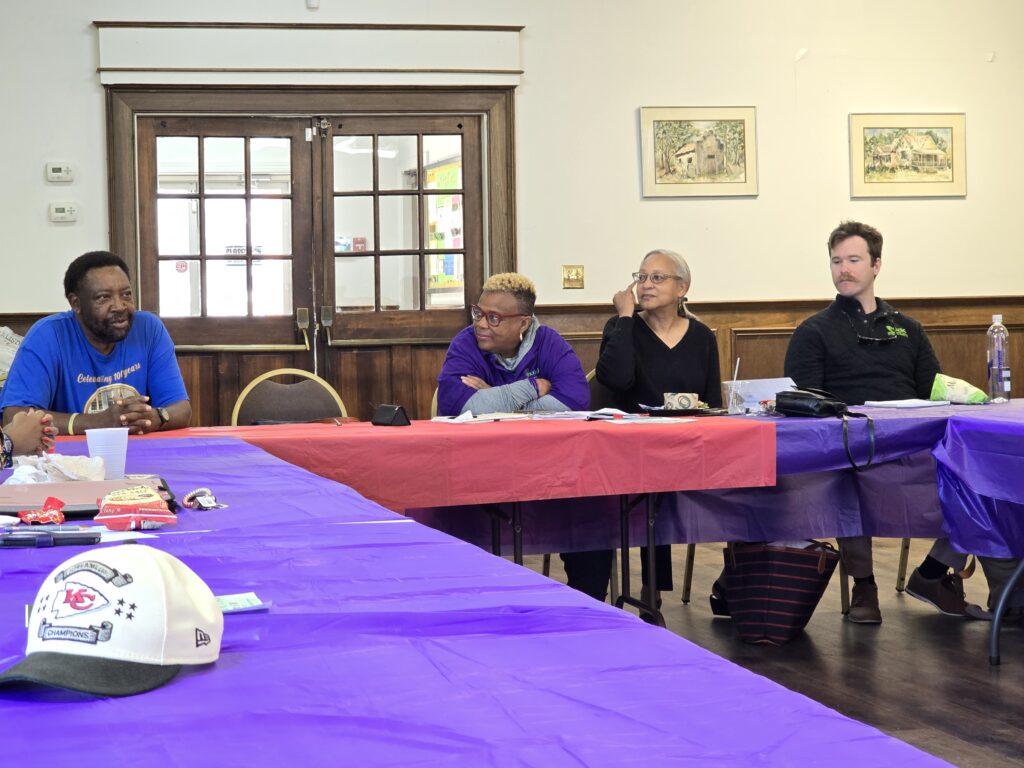
On March 20, 2024, we conducted our second visit to St. George as part of our ongoing study of the Rosenwald School and its impact on the community. Rotary Club Breakfast: Tripp Muldrow from the design team attended the St. George Rotary Club breakfast, where he introduced our study to the local business community. This event served as a vital platform for raising awareness and fostering connections among stakeholders. Community Engagement Meeting: In the afternoon, we held a community engagement meeting attended by key stakeholders, including board members from the Rosenwald School, county council representatives, Senator Stevens, and representatives from the Low Country Children’s Museum, along with engaged community members. The meeting was vibrant and productive, featuring lively discussions about the school’s upcoming programs, including a summer program for youth and the exciting opening of a satellite location for the Low Country Children’s Museum. Key Takeaways: The design team gained valuable insights into the community’s needs and the current utilization of the center. The input received during these discussions will play a crucial role in shaping our ongoing efforts and ensuring that our project aligns with the community’s vision and priorities. We appreciate the warm welcome from the St. George community and look forward to continuing our collaboration as we move forward with this important initiative. Thank you to everyone who participated and shared their perspectives!
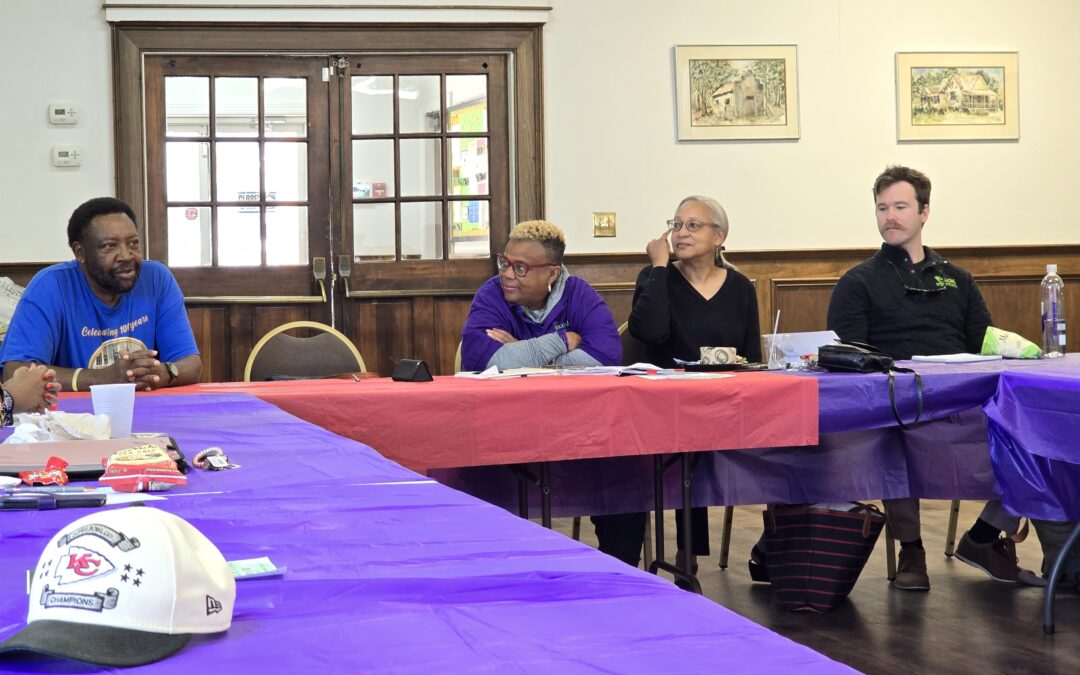
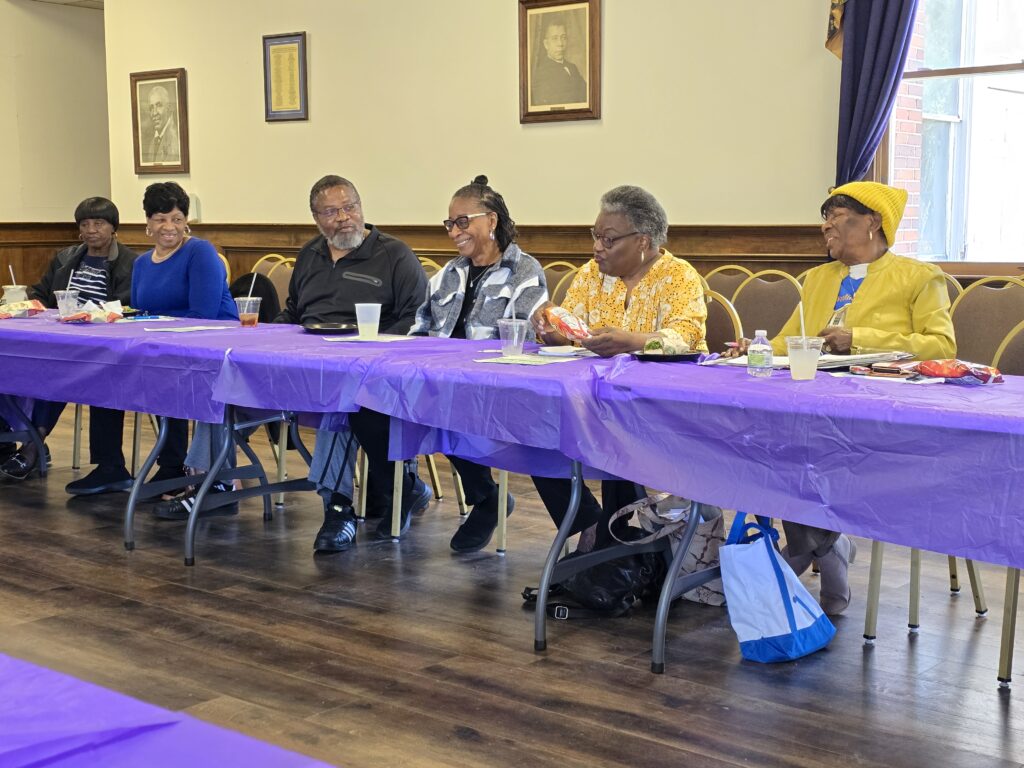
On March 20, 2024, we hosted a lunch community engagement meeting focused on the Lincolnville Rosenwald School. This event was part of our ongoing efforts to connect with the local community and gather insights for our project.
Attendance and Welcome: We were warmly welcomed by Dr. Seele, the Town of Lincolnville Mayor, along with alumni from the Lincolnville Rosenwald School and engaged community members. Their enthusiasm highlighted the importance of this initiative.
Key Takeaways:
1. Community Pride: Participants shared what they love most about Lincolnville, emphasizing the strong sense of community, rich history, and the shared commitment to preserving the legacy of the Rosenwald School. Many expressed pride in their cultural heritage and the close-knit relationships within the town.
2. Memories of the School: Alumni recounted fond memories of their time at the Rosenwald School, highlighting the impact it had on their education and personal development. Stories of cherished teachers, community events, and lifelong friendships created a warm atmosphere, reminding everyone of the school’s integral role in their lives.
3. Current Challenges: Attendees also discussed several issues facing the community today. A significant concern raised was the recent loss of their zip code, which has been changed to a Summerville address, despite Lincolnville remaining an incorporated town. This change has created confusion and concern among residents regarding their identity and access to services.
4. Community Issues: Other challenges included a need for improved infrastructure, access to resources, and ongoing support for local programs. Participants expressed a desire for the Rosenwald School to become a hub for community engagement and services that address these needs.
Next Steps: The insights gathered from this meeting will be crucial in shaping our plans for the Lincolnville Rosenwald School. We are dedicated to ensuring that our project reflects the community’s needs and aspirations. We sincerely thank everyone who joined us for their invaluable contributions and support. We look forward to continuing our engagement with the Lincolnville community as we work together to honor and enhance the legacy of the Rosenwald School.
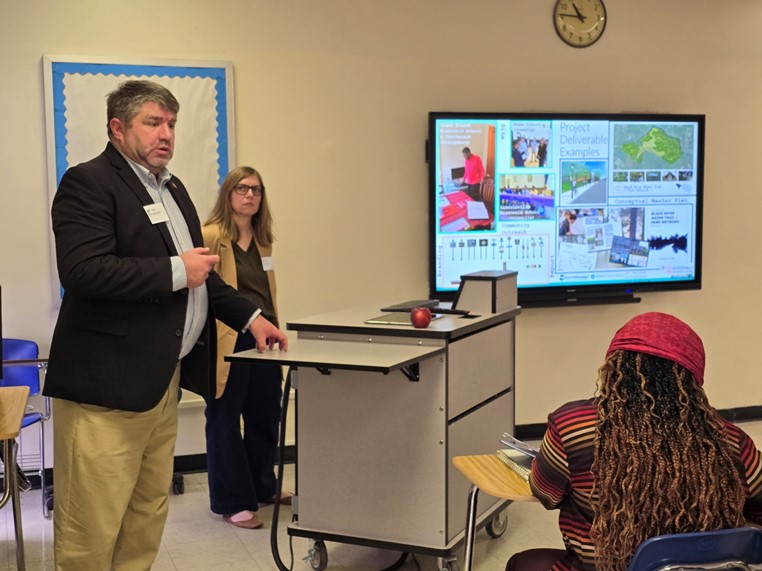
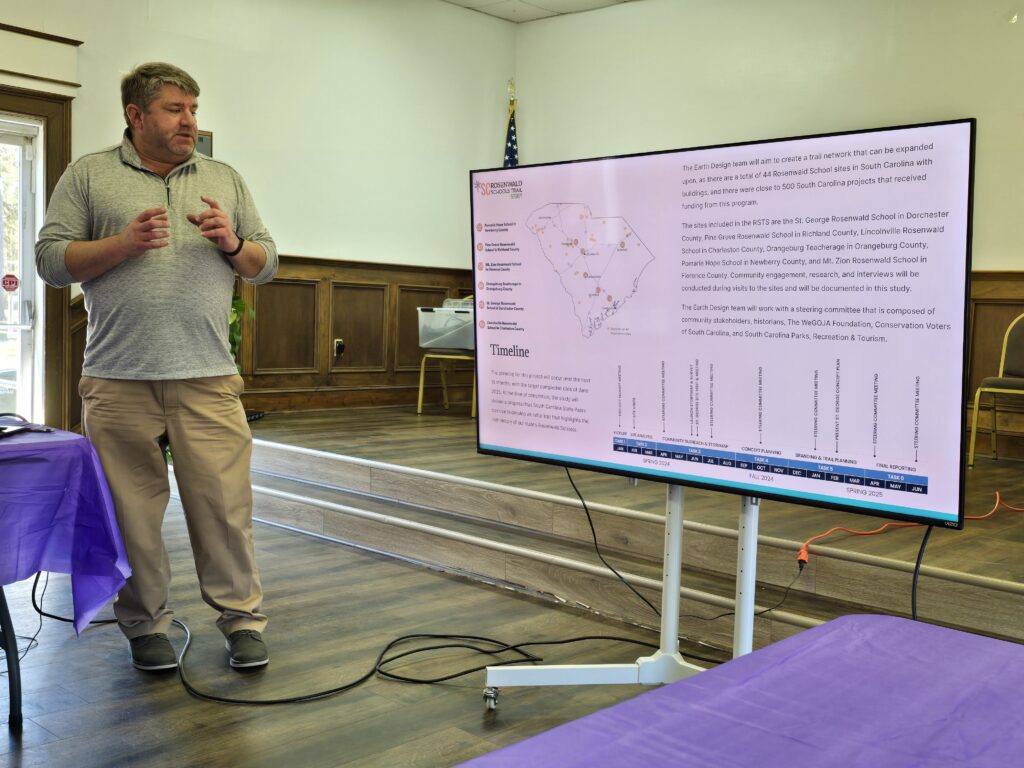
Tripp Muldrow outlines the timeline for the RSTS Study.
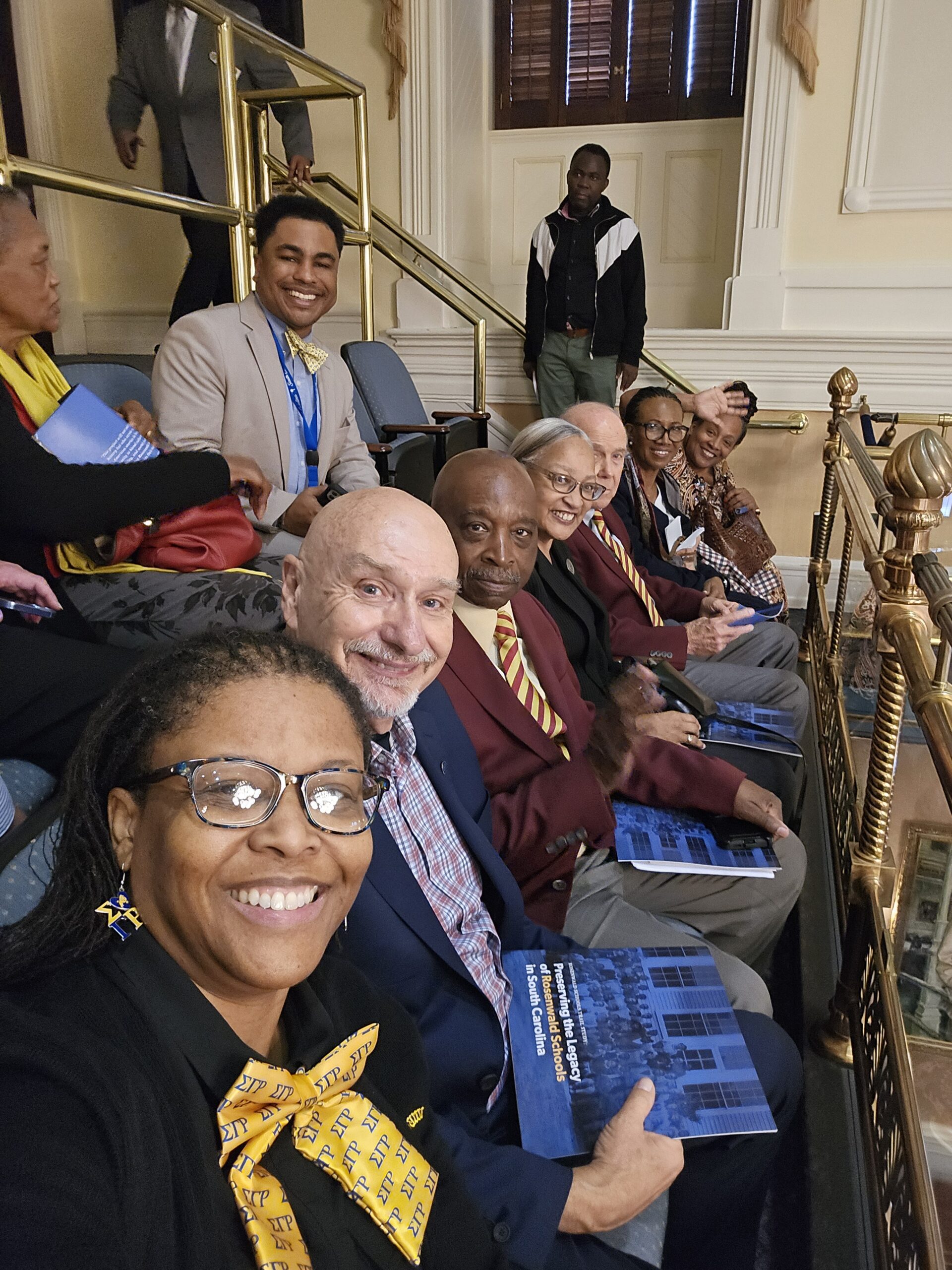
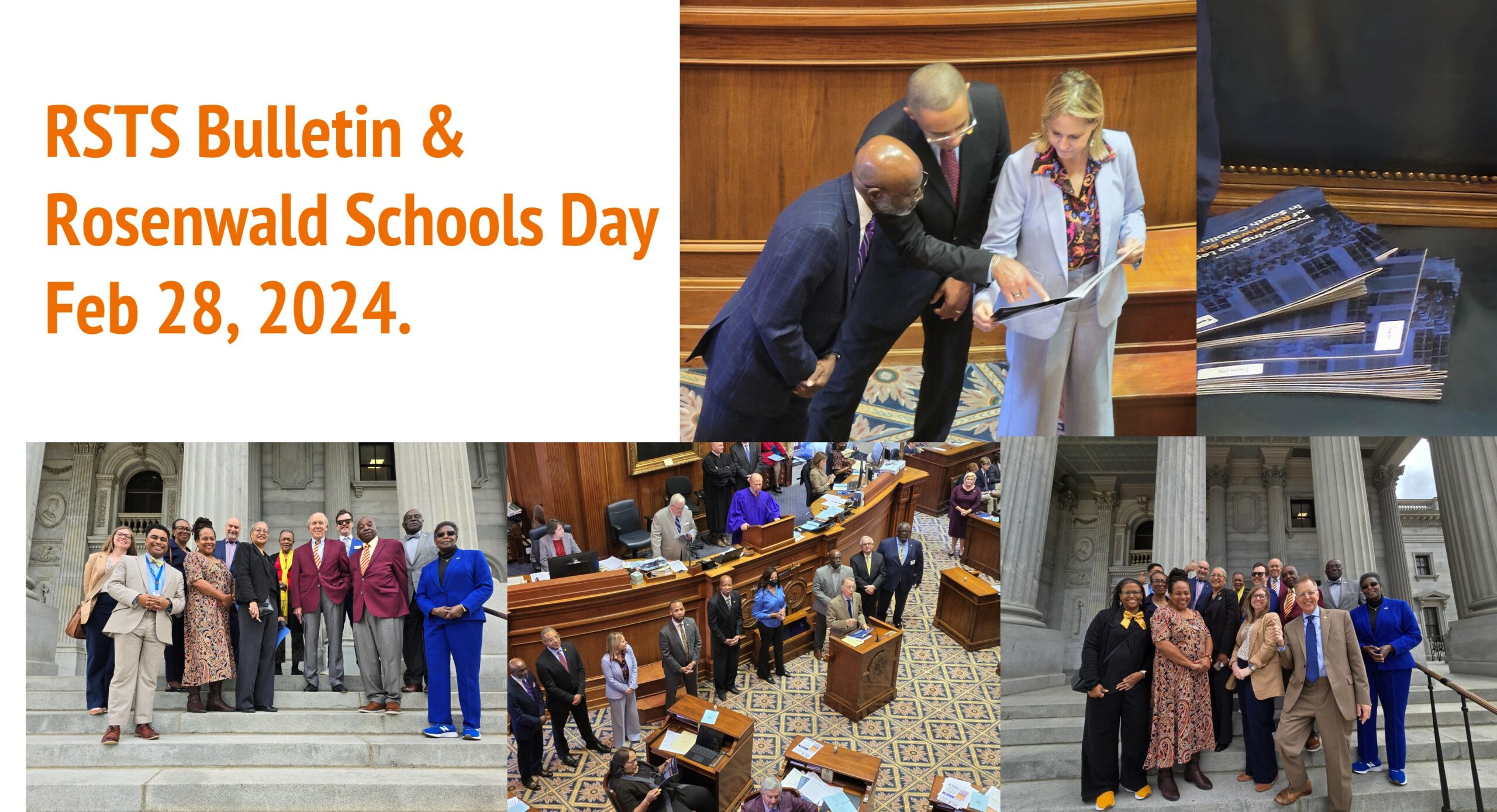
The Conservation Voters of SC coordinated with legislators to recognize the work of the Rosenwald Schools Trail Study on Rosenwald Schools Day on Feb 28, 2024. Rosenwald Schools were recognized for their contribution to the education of African American students in South Carolina. Several Rosenwald Schools still stand today due to the dedication of the local community to provide community service in renovated spaces that pay homage to the contributions of the original students and educators.
A post from the CVSC Instagram page noted that “CVSC and the Rosenwald Schools Trail Study Steering Committee celebrated SC Rosenwald Schools Day at the Statehouse. We celebrated by dropping booklets off on legislators’ desks to highlight the urgent and necessary work that is being done to protect these schools and their stories.
A special thank you to Sen. Mike Fanning and Rep. Pat Henegan who recognized the steering committee and allowed them to give an update on the study that began in January.”
To flip through the RSTS Bulletin, click on RSTS Bulletin.
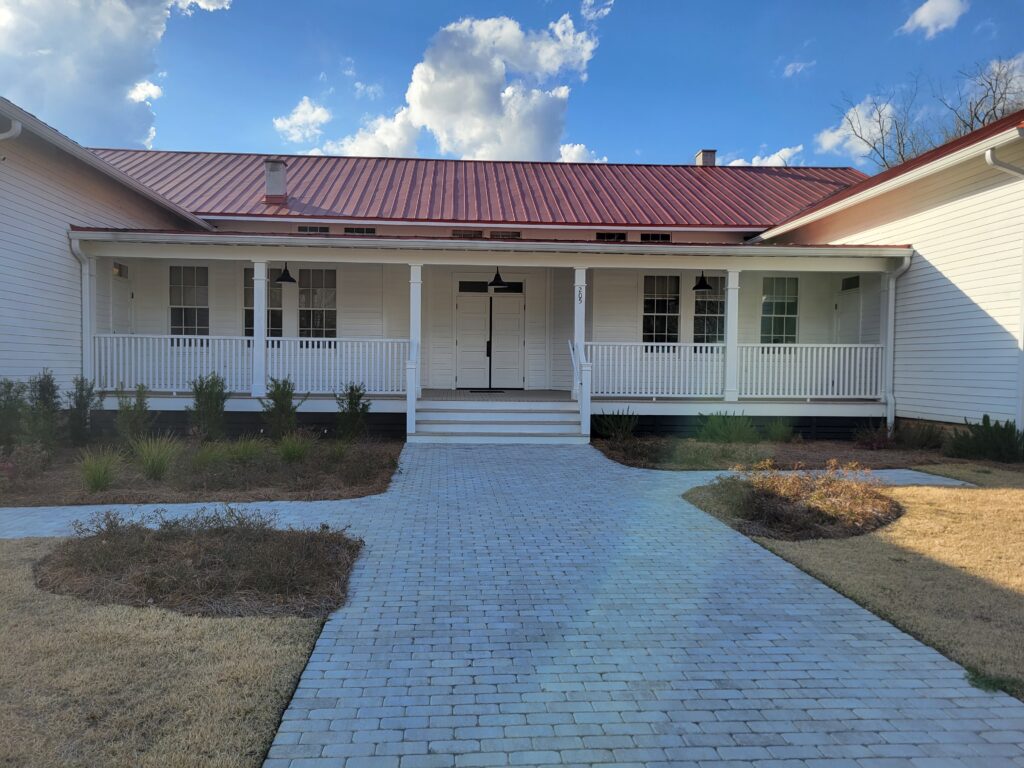
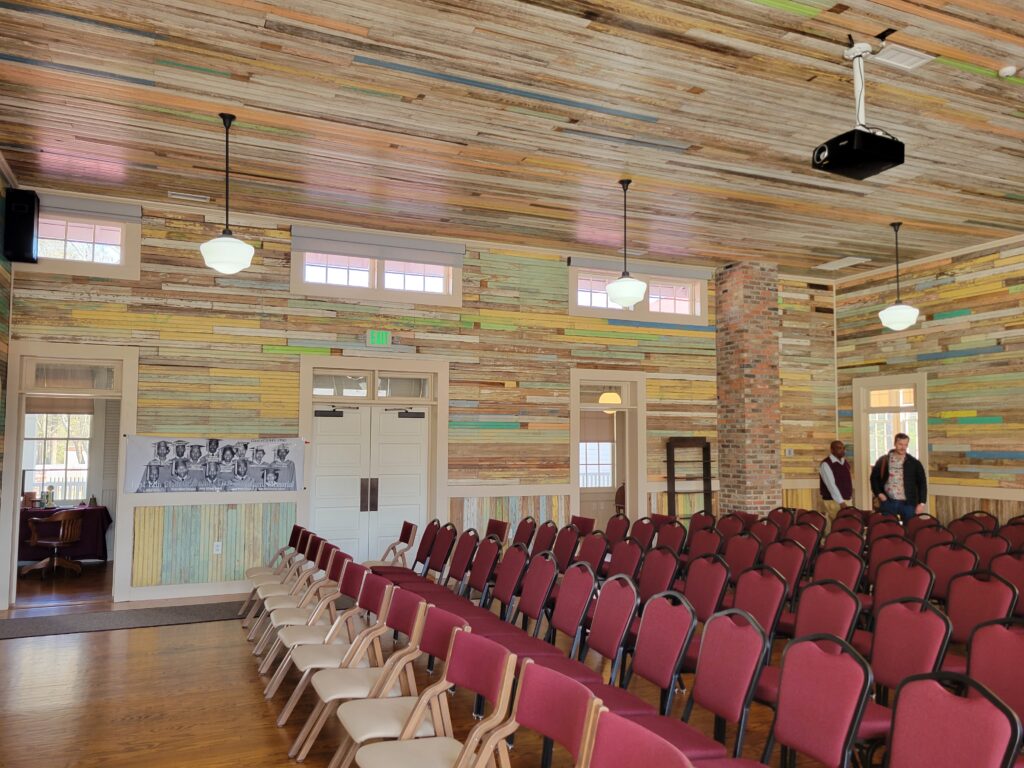
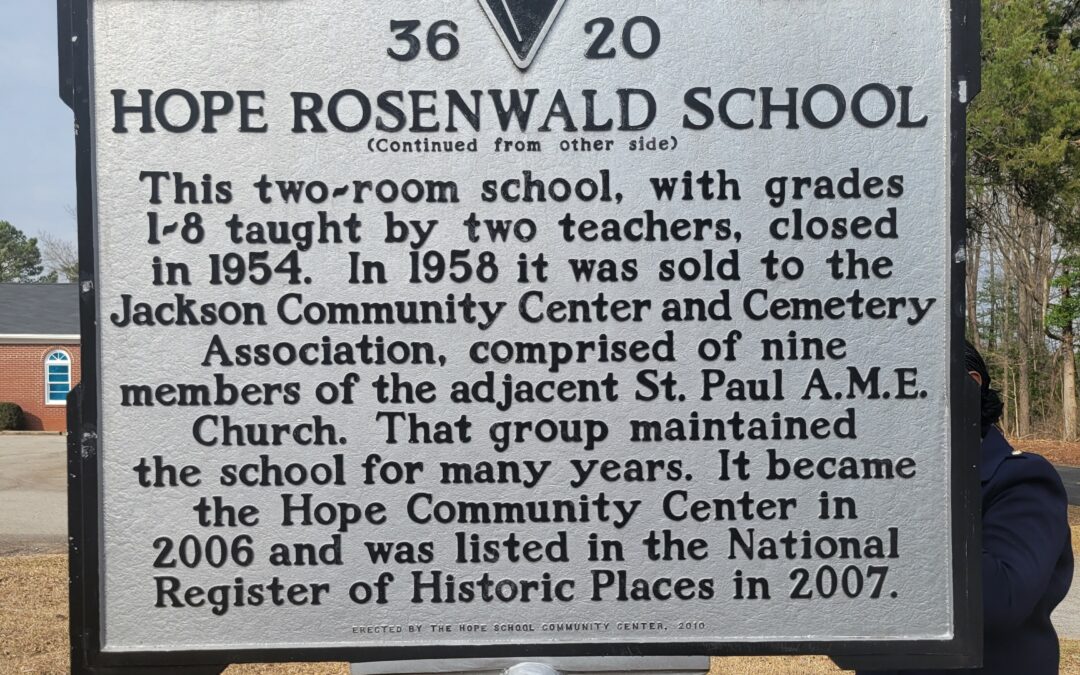
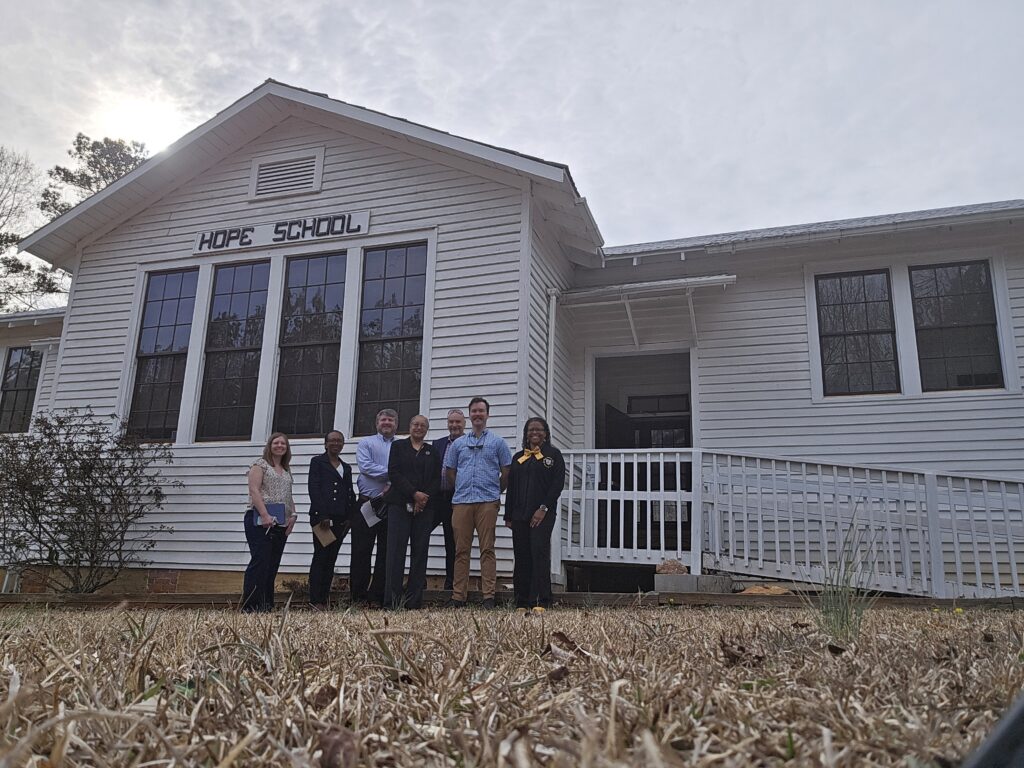
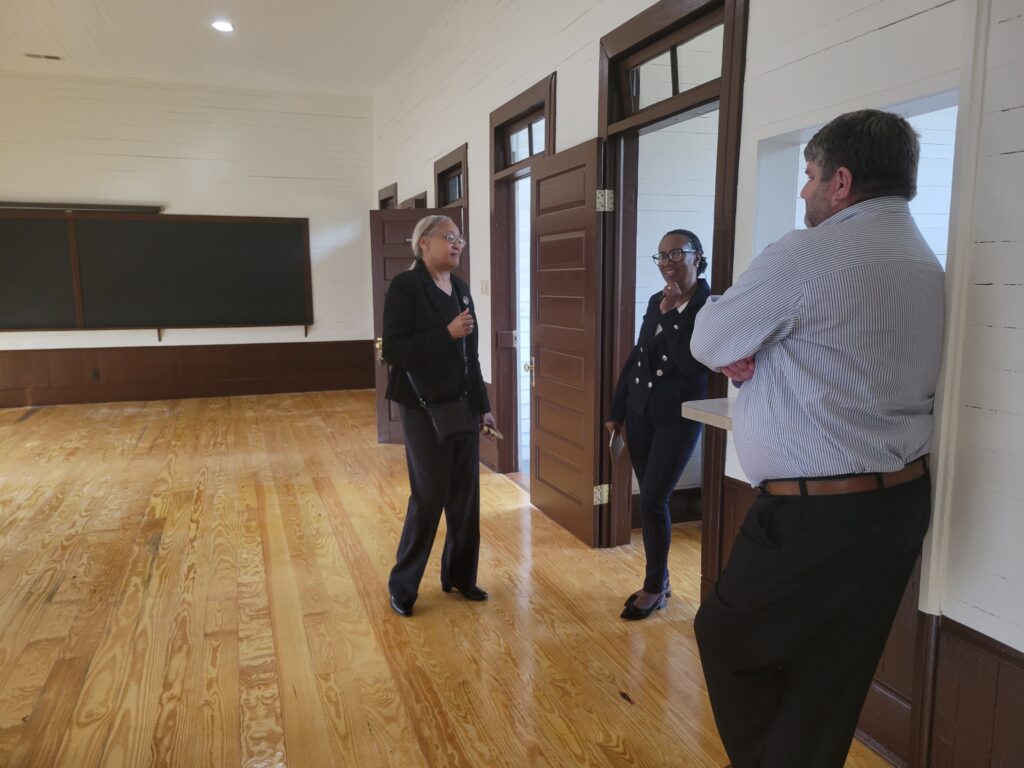
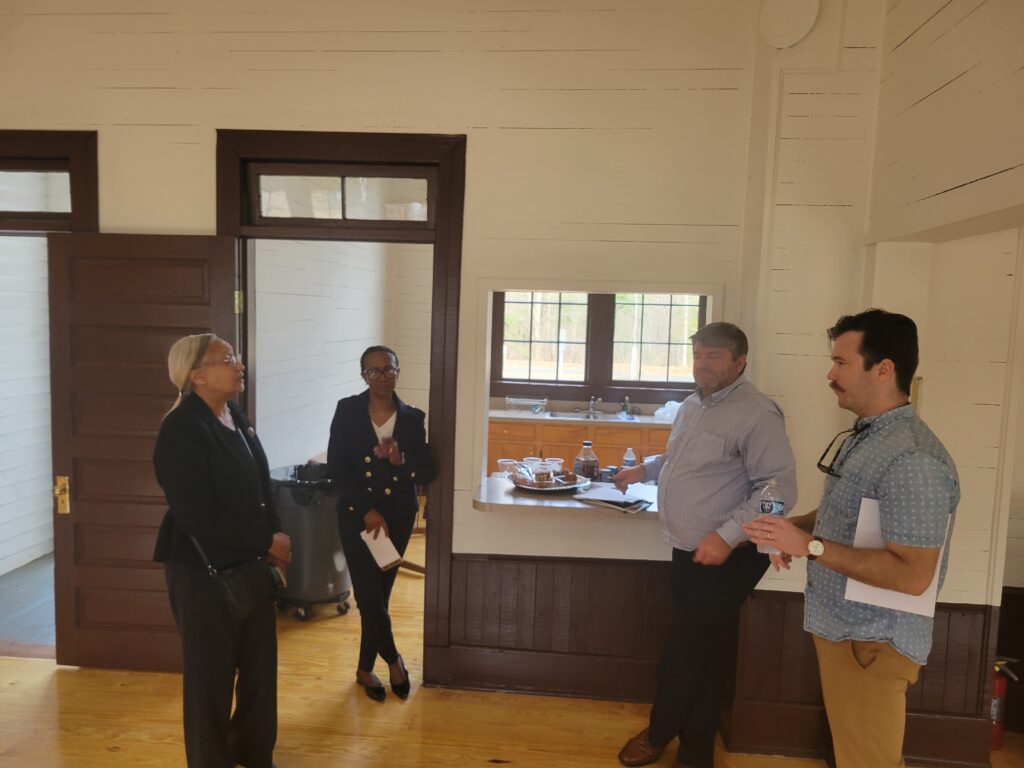
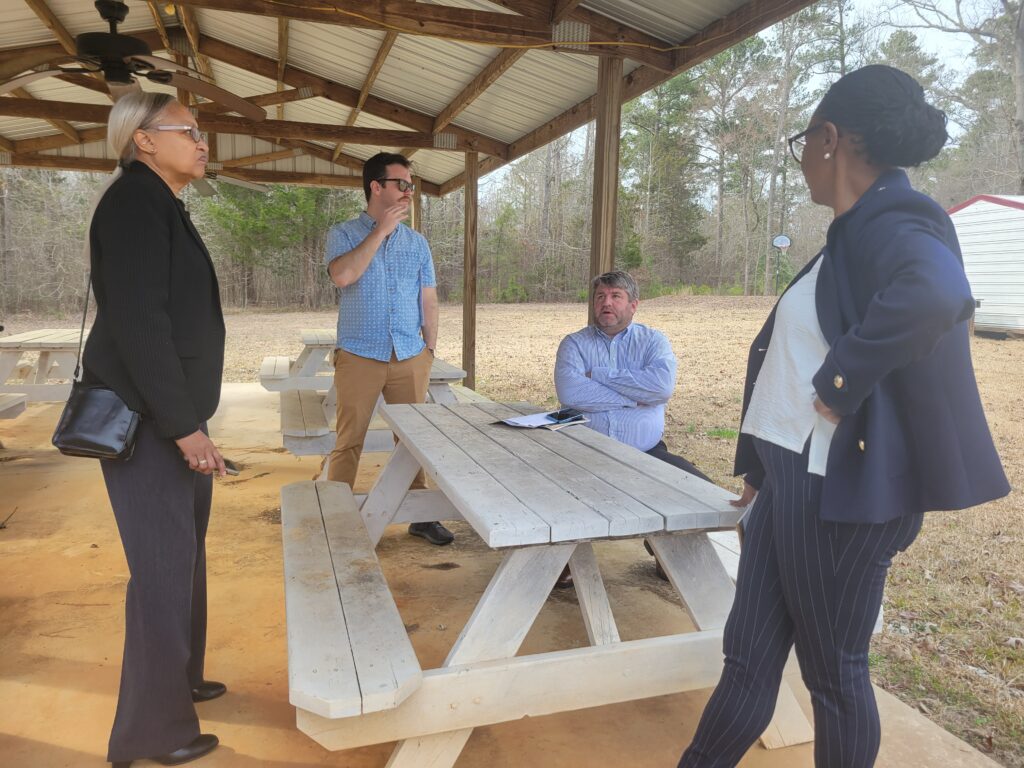
The Earth Design team traveled to the rural community of Pomaria in Newberry County, SC on its initial site visit to The Hope Rosenwald School. Built in 1925-26 at a cost of $2,900, this restored educational institution symbolizes a pivotal era in African-American education, funded partially by the Julius Rosenwald Foundation between 1917 and 1932. Its establishment on a two-acre lot donated by James H. Hope, Mary Hope Hipp, and John J. Hope reflects the communal dedication to education. Ms. Tenetha Hall has worked tirelessly with local alumni to preserve the school. She met the team to give a thorough tour of the restored school that is now used as a community meeting center.
The school has a two-room layout typical of rural Rosenwald schools in rural areas. The loving restoration appropriately embodies the resilience of African-American communities amidst segregation’s challenges.
Today, The Hope Rosenwald School stands as a proud testament to heritage and community unity, providing a space for gatherings, education, and commemoration within rural Newberry County. It is also represented in the Rosenwald School display at the National Museum of African American History and Culture.